Leak detection is a critical aspect of maintaining the integrity and efficiency of various systems, from residential plumbing to industrial operations. As infrastructure ages and environmental concerns heighten, the ability to swiftly identify and address leaks has never been more essential. Failure to detect leaks can lead to significant financial loss, safety hazards, and environmental damage, making proactive measures and advanced techniques vital in mitigating these risks.
Recent advancements in technology have transformed leak detection methods, integrating sophisticated sensors, acoustic monitoring, and real-time data analysis to enhance accuracy and efficiency. As industries and homeowners alike strive for sustainability and cost-effectiveness, understanding the importance and mechanics of leak detection becomes paramount. This article explores the evolution of leak detection technologies, their applications across various sectors, and best practices for implementation to ensure a leak-free environment.
Modern Techniques in Leak Detection
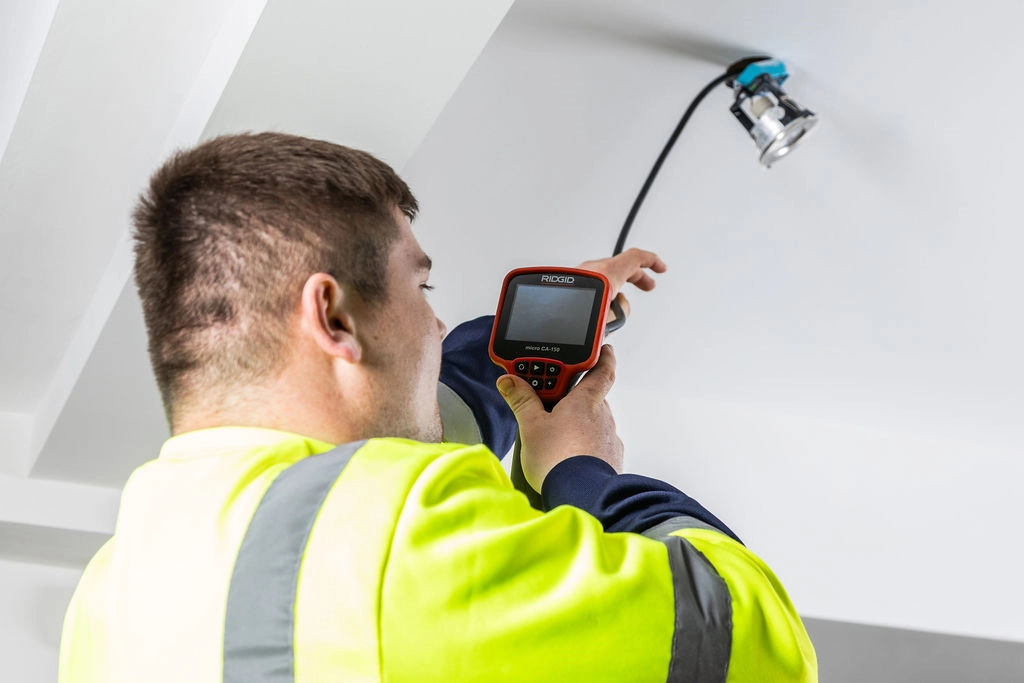
Innovative leak detection technologies have vastly improved the ability to pinpoint issues with minimal disruption. Notably, infrared thermography, which utilizes thermal cameras, can identify temperature variations in pipes, while advanced ultrasonic sensors can hear the distinct sounds of leaks within walls or underground systems. Coupled with artificial intelligence, these tools can analyze data patterns to predict potential failures before they occur. For both residential environments and industrial applications, employing a leak detection company near me ensures that specialized knowledge and equipment are utilized for effective leak management.
Preventive Measures and Best Practices
To further enhance leak detection strategies, regular maintenance and inspections are essential. Establishing a routine to check for signs of leakage, such as damp spots or unusual water bills, can prevent larger issues down the line. Additionally, training employees on the latest detection technologies and fostering a culture of awareness in residential settings can significantly reduce the likelihood of leaks going unnoticed. Implementing these preventive measures not only safeguards infrastructure but also contributes to long-term sustainability and cost savings for homeowners and businesses alike.
In conclusion, effective leak detection is not just about identifying and fixing existing problems; it is an integral part of a proactive approach to maintenance and environmental stewardship. As technology continues to evolve, leveraging advanced tools and best practices enables both individuals and organizations to detect leaks promptly and efficiently, ultimately minimizing waste and preventing costly damage. By prioritizing thorough inspections, regular maintenance, and employee training, the risk of leaks can be significantly reduced, fostering a more sustainable future. The commitment to robust leak detection strategies reflects a conscientious effort to protect valuable resources and safeguard infrastructure, emphasizing that prevention is indeed better than cure in the realm of leak management.
About The Author