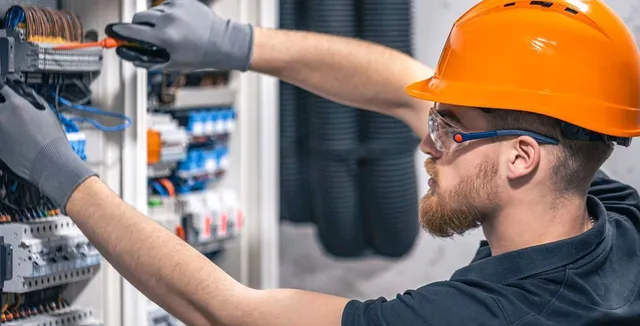
Electricians play a pivotal role in maintaining and enhancing the electrical systems that power our homes, businesses, and infrastructure. From installing new wiring to performing routine maintenance and troubleshooting complex issues, their expertise ensures that our electrical systems operate safely and efficiently. With the increasing reliance on technology and the rise of smart homes, the demand for skilled electricians has never been higher, making it a vital profession in today’s ever-evolving landscape.
This article delves into the various facets of the electrical trade, including the training and certifications required to become an electrician, the different specialties within the field, and the challenges faced by professionals in this dynamic industry. Whether you’re considering a career as an electrician or simply want to understand more about the electrical services in your area, this comprehensive overview will provide valuable insights into the world of electricians and their essential contributions to society.
Training and Specializations
To become an electrician, individuals typically undergo extensive training that includes apprenticeships, technical courses, and gaining relevant certifications. This education equips them with the knowledge necessary to work with various electrical systems and ensures they are up-to-date with the latest technologies and safety standards. Beyond basic residential wiring, electricians can specialize in numerous fields, such as commercial electrical systems, renewable energy integration, and smart home technology. Those interested in pursuing a career in the electrical trade might find ample opportunities with local electricians south yarra, who can provide firsthand insights and mentorship.
Challenges in the Industry
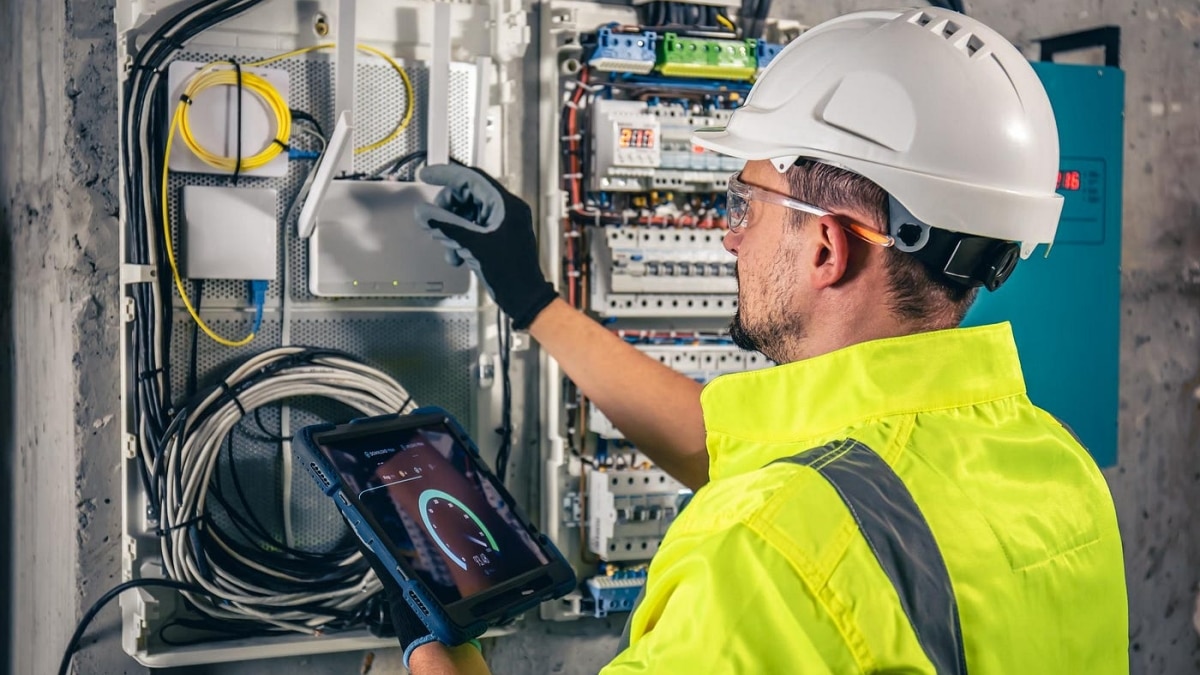
While the demand for electricians is growing, the profession is not without its challenges. Electricians often face demanding work environments, adhering to strict safety protocols while navigating complex regulations. Additionally, the rapid advancement of technology in electrical systems requires continuous education and adaptation. Electricians must stay informed of new tools, materials, and techniques to remain competitive. As the landscape of electrical work evolves, those in the profession must also tackle the growing expectations from clients, aiming for high-quality service in an increasingly tech-driven world.
In conclusion, electricians are essential to the safety and functionality of modern society, providing invaluable services that go well beyond basic electrical installations. As the demand for skilled professionals continues to soar in response to technological advancements and the integration of smart systems, those entering the field must be prepared for both the complexities of their work and the commitment to lifelong learning. While they face numerous challenges, from strict safety regulations to the need for continual training, the rewards of being an electrician such as job security and the opportunity to make a tangible impact on people’s lives make it an appealing career choice. Ultimately, electricians not only power our daily experiences but also contribute to the sustainable and innovative future of our communities.
About The Author