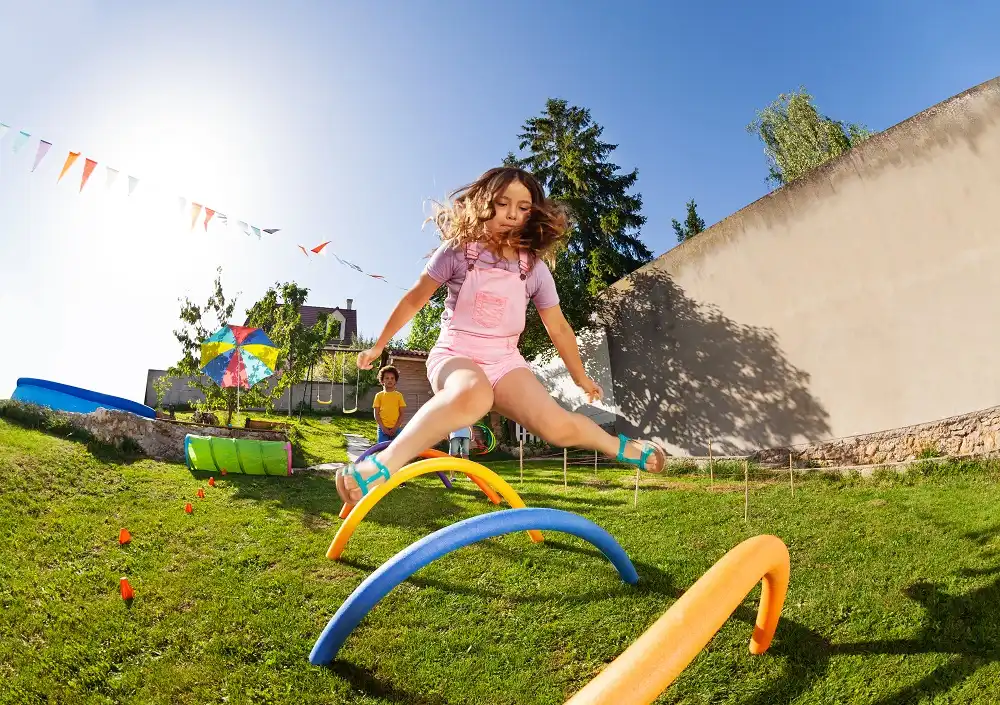
Obstacle courses have long captivated individuals of all ages, serving as both a physical challenge and a source of entertainment. Originating in military training to enhance agility and endurance, these courses have since evolved into popular recreational activities, featured in events ranging from local community races to high-profile competitions like American Ninja Warrior. With elements designed to test strength, balance, and problem-solving skills, obstacle courses provide participants with an exciting way to push their limits and foster a sense of camaraderie among competitors.
In recent years, the rise of obstacle course racing (OCR) has transformed the fitness landscape, encouraging people to embrace active lifestyles while overcoming unique challenges. From colorful inflatable obstacles to intricate rope climbs, courses can vary significantly in design and intensity, appealing to novice participants and seasoned athletes alike. This article delves into the diverse world of obstacle courses, examining their benefits, tips for training, and the growing community of enthusiasts who thrive on the thrill of conquering obstacles.
Benefits of Obstacle Courses
Obstacle courses offer numerous physical and mental benefits that extend beyond mere entertainment. Engaging with these challenges enhances cardiovascular fitness, builds muscle strength, and improves coordination and agility. Additionally, participants frequently experience boosted self-confidence and resilience as they navigate obstacles that push their limits. The communal aspect of OCR events also fosters teamwork and camaraderie, as like-minded individuals support and motivate each other to achieve personal bests in a shared environment. For those in search of a fun and engaging way to stay active, exploring options such as Obstacle Course In San Antonio Texas can provide exciting opportunities.

Training Tips for Success
To excel at obstacle course racing, a strategic training regimen is essential. It’s advisable to focus on a balanced workout routine that combines strength training, cardiovascular conditioning, and flexibility exercises. Incorporating functional movements, such as climbing, jumping, and crawling, can better prepare participants for the demands of various obstacles. Additionally, practicing specific skills like grip strength and balance on different surfaces can enhance performance. As participants train together, they can share effective techniques and motivate one another, making the journey toward conquering obstacle courses not just a personal accomplishment, but a collective triumph.
As the excitement of obstacle courses continues to inspire a growing community, all participants whether they are first-time adventurers or seasoned competitors discover that the experience transcends physical challenges. The essence of obstacle course racing lies not only in the thrill of navigating through demanding structures but also in the personal growth, resilience, and friendships forged along the way. Each hurdle overcome serves as a reminder of the strength within and the power of community support. In embracing the spirit of competition and teamwork, individuals gain invaluable life lessons that extend far beyond the course itself, making obstacle courses a meaningful pursuit that celebrates both physical fitness and the human spirit.
About The Author