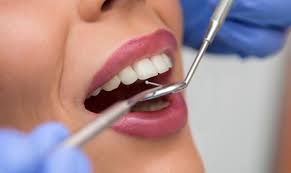
When it comes to maintaining oral health, most people recognize the crucial role that dentists play. These highly trained professionals not only provide essential services such as routine check-ups and cleanings but also diagnose and treat a wide range of dental issues. From cavities to gum disease, dentists are equipped with the knowledge and tools to ensure that your smile remains healthy and bright. In a world where oral health is often linked to overall well-being, understanding the importance of regular dental visits is paramount.
Beyond the traditional role of a dentist, the field has expanded to include specialized areas such as orthodontics, periodontics, and oral surgery. Advances in technology and treatment methods have further enhanced the capabilities of dental care providers, allowing them to offer more effective and less invasive treatment options. This article aims to explore the multifaceted profession of dentistry, shedding light on what to expect during a visit, common procedures, and tips for maintaining optimal oral health between appointments.
Understanding Dental Procedures
During a typical dental visit, patients might undergo a variety of procedures designed to assess and enhance their oral health. Routine check-ups often include digital X-rays, thorough cleanings, and examinations for early signs of issues like tooth decay and gum disease. More specialized treatments, such as fillings, root canals, or orthodontic evaluations, may be necessary based on an individual’s needs. By understanding what to expect during these appointments, patients can alleviate anxiety and take a proactive approach to their dental care. Consulting a local expert, such as a Dentist in Hickory NC, can provide valuable insights and tailored recommendations.

Maintaining Oral Health Between Visits
In addition to professional dental care, maintaining good oral hygiene at home is crucial for preventing dental issues. This includes brushing twice a day with fluoride toothpaste, flossing daily, and using mouthwash to reduce plaque and bacteria buildup. It’s also important to monitor dietary habits, as sugary snacks and beverages can contribute to cavities. Staying hydrated and choosing nutritious foods not only supports oral health but also contributes to overall well-being. By incorporating these practices into daily life, individuals can help ensure that their smiles remain healthy until their next dental appointment.
In conclusion, a dentist’s role extends far beyond mere tooth maintenance; they are vital partners in promoting and preserving overall health through preventive and therapeutic dental care. Regular visits not only keep oral diseases at bay but also empower patients with the knowledge and tools necessary for self-care between appointments. By fostering a collaborative relationship with dental professionals, understanding treatment options, and embracing good oral hygiene practices, individuals can achieve not only a stunning smile but also enhance their quality of life. Ultimately, investing in dental care is an investment in one’s well-being, marking a commitment to health that pays dividends for years to come.
About The Author